



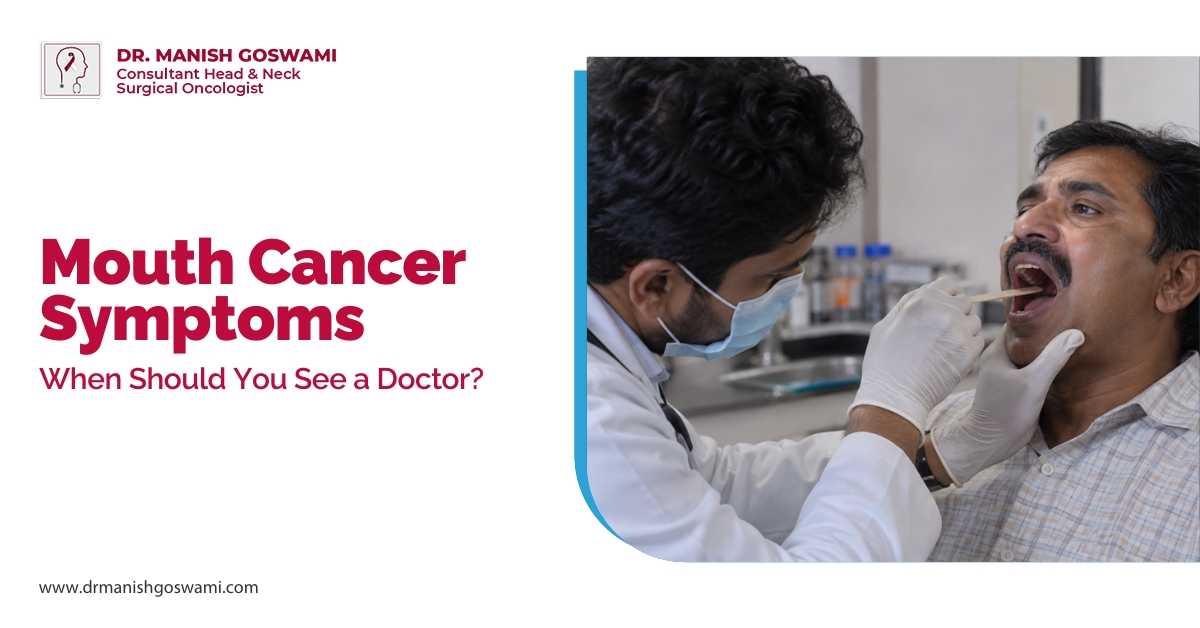


Many oral cancer diagnoses take place every year. The mouth, tongue, lips, cheeks, gums, roof of the mouth, or throat is where cancer can develop, known as oral cancer. Early discovery and timely treatment are key to optimal recovery from oral cancer; however, it can be fatal if left untreated.
Early symptoms are mostly painless and simple to ignore, which becomes the disease's greatest obstacle. Plus, the warning signs are sometimes confused with common dental problems. These include oral infections or mouth ulcers. Oral cancer treatment Siliguri or anywhere depends on the cancer stage and the person’s overall health.
Oral Cancer Overview
This is any form of cancer that arises in the mouth or oral cavity, which falls under the more general heading of head and neck cancers. The illness starts when unusual cells proliferate/ multiply out of control and develop into tumors.
This form of cancer may develop in:
- The lips
- Floor of the mouth
- Gums & the tongue
- Inner lining of cheeks
- Roof of the mouth
- Throat and tonsils
Because oral cancer can spread swiftly to nearby cells and lymph nodes, early identification is crucial.
Timely detection of oral cancer can increase survival rates to a great extent. And early diagnosis often results in less complicated surgery or treatment and more effective therapy.
But because the early symptoms seem insignificant in this case, many people choose to ignore them. A minor oral sore or patch might not appear harmful, but if it continues, you must not delay. It might be a sign of a major issue.
Early Oral Cancer Symptoms You Must Know
1. Ongoing Mouth Sores
A mouth sore that does not go away in 2 weeks is one of the most typical early symptoms of oral cancer. And in contrast to ordinary mouth ulcers, sores caused by cancer may:
- Bleed readily
- Get unpleasant with time
- Possess elevated edges
- Keep expanding
One should see a dentist or physician without delay if you discover a sore that doesn't go away after therapy. For optimum oral cancer treatment in Siliguri, visit the leading oncologists.
2. Red or White Patches in the Mouth
Another crucial warning sign is abnormal patches inside the mouth; if you notice any such things, be sure to get a medical diagnosis.
- Leukoplakia is known as white patches.
- We refer to the red areas as erythroplakia.
These patches could show up on the floor of the mouth. Also, these can be visible on the cheeks, gums, or tongue. Some patches may eventually progress to mouth cancer, but you have to understand that not all of them are malignant/ cancerous.
3. Difficulty Swallowing
Dysphagia, another name for difficulty swallowing, is a sign of oral or throat cancer. One may have pain during swallowing, a feeling that food is trapped, difficulty chewing, or persistent soreness in the throat.
This symptom is especially concerning if it gets worse over time.
You might experience:
- Discomfort when swallowing
- A feeling of food becoming lodged
- Chewing difficulties
- Persistent soreness in the throat
Never skip or ignore this symptom, especially if it gets worse over time; get medical advice for clarity.
4. Persistent Mouth Pain
Unlike transient irritation caused by hot foods or unintentional bites, cancer-related pain tends to last and may worsen with time. Some people say they have burning sensations, numbness, and increased sensitivity.
If there’s any unexplained oral pain that lasts longer than two weeks should be evaluated by a medical doctor. An early sign of oral cancer may be ongoing or frequent pain or discomfort in the mouth, tongue, or throat.
Additionally, some people notice:
- Burning feelings
- Numbness
- Enhanced sensitivity
Yes, a medical assessment is necessary for any unexplained mouth pain that lasts longer than 2 weeks.
5. Lumps or Thickened Areas
Abnormal cell growth indicated by a lump, swelling, or thickened tissue inside the mouth or neck shows that you need a medical diagnosis without delay. These lumps may appear under the tongue, along the gums, inside the cheeks, or in the neck area.
Some lumps may be painless at first, making them easy to ignore, and these lumps could show up:
- Beneath the tongue
- Along the gums
- Within the cheeks
- In the neck region
Wise to inform your doctor on time.
6. Unidentified Cause of Loose Teeth
The tissues and bones that support the teeth may be impacted by oral cancer, and if you observe:
- Loose teeth
- Modifications to your bite
- Inadequate denture fit
See a dentist fast if there are no visible dental problems, and when combined with gum swelling or ongoing pain, this symptom is particularly worrisome.
7. Persistent Bad Breath
Even though bad breath can have reasons like common dental issues, persistent halitosis, food, or drink. Persistent bad breath that does not go away even with good oral hygiene needs medical attention.
Cancerous growths in the mouth may produce unpleasant odors due to tissue breakdown and infection. Because of tissue deterioration/ damage and infection, cancerous growths may emit strong smells.
8. Voice Changes OR Hoarseness
When oral cancer affects the vocal cords or throat, it can cause multiple symptoms or discomfort:
- Chronic hoarseness
- Changes in voice
- Having trouble speaking clearly
See a doctor/ dentist/ ENT if your voice is hoarse for longer than two weeks, especially if you don't have a cold or infection.
9. Ear Pain Without Infection
Some oral cancers can cause referred pain that travels to the ears, and these can be persistent earaches or pressure in the ears. Also, pain on one side of the face without any indications of an ear infection.
You might notice:
- Chronic ear pain
- Ear pressure
- One side of the face hurts
- Without any signs of an ear infection
People tend to ignore this symptom because they believe the problem is in the ear itself.
10. Numbness in the Mouth or Lips
Loss of feeling in the lips, tongue, or mouth could be a sign of oral cancer-related nerve damage.
This numbness is usually a good idea, especially if it coexists with other symptoms like lumps or sores.
Know About Some Common Risk Factors for Oral Cancer
You can definitely lower your risk of oral cancer by being aware of its common risk factors.
1. Tobacco Use
You must know that smoking cigarettes, cigars, or pipes greatly raises the risk of oral cancer. Plus, chewing tobacco and other smokeless tobacco products are also major contributors.
- Tobacco contains toxic chemicals that harm both oral and throat cells
- The risk of mouth cancer increases with smoking pipes, cigars, or cigarettes
- Other significant factors include chewing tobacco & other smokeless tobacco products
- Hazardous chemicals found in tobacco cause damage to oral and throat cells

2. Excessive Alcohol Consumption
Alcohol irritates the tissues inside the mouth. This makes them more susceptible to substances that cause cancer, and heavy drinking is strongly associated with oral cancer.
There’s no doubt that the risk increases when alcohol and smoking are combined.
3. Human Papillomavirus (HPV)
Throat & oral cavity cancers are linked to specific HPV strains, especially HPV-16, and oral cancers linked to HPV have increased in frequency in recent years.
4. Poor Oral Hygiene
Ignoring dental health can lead to infections. Also, this can cause persistent discomfort that raises the risk of cancer in the mouth. Maintaining oral health requires routine brushing, flossing, and dental checkups; see your dentist for personalized advice.
When Should You Seek Medical Help?
You ought to consult a doctor if you observe:
- Mouth sores that persist for more than 2weeks
- Chronic discomfort or numbness in the mouth
- Having trouble swallowing
- Unknown lumps
- Patches of red or white
- Voice alterations
- Persistent foul breath
They don’t always suggest cancer, but one should not ignore signs and must get medical advice on time. Better results are highly possible when you get an early diagnosis.
The Value of Routine Dental Examinations
During routine checkups, dentists often find indicators of oral cancer before symptoms worsen.
Ongoing dental checkups can:
- Early detection of worrisome lesions
- Track any changes in dental health
- Enhance the results of treatment
Dental examinations are essential at least twice a year, according to experts.
Final Words
Even though oral cancer is a risky disease, lives can be saved by early diagnosis. You should never ignore such signs, like persistent mouth sores, red or white patches, difficulty swallowing, lumps that don't go away, or persistent mouth pain.
If you are aware of these signs, you might lower your risk by upholding healthy behaviors. These include abstaining from tobacco, consuming alcohol in moderation, maintaining proper oral hygiene, and making routine dentist appointments.
You might consult one of the most trusted oncologists in Siliguri, or a head & neck oncologist like Dr. Manish Goswami.
