


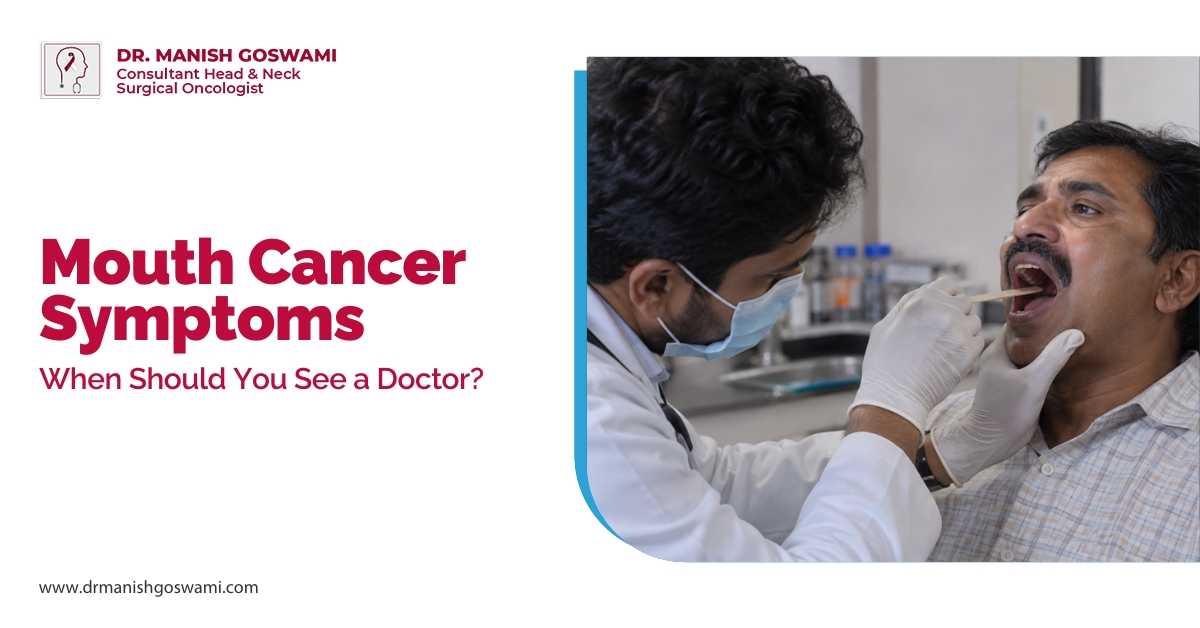



The oral cavity is one of the most common areas where head and neck cancer appears. Early detection makes treating any disease, whether head and neck cancer, easier. It can make a major difference to recognize the warning signs and seek medical advice.
A persistent sore throat is a classic symptom. Certain symptoms can resemble minor health issues or common diseases, which is a challenge here. Cancer is not always indicated by a sore throat, a mouth ulcer, or a hoarse voice. However, don’t overlook these symptoms if they worsen, continue, or recur.
Treatment for head and neck cancer Siliguri or any location focuses on the stage, intensity of the symptoms, patients’ overall health, etc. Knowing when to see a cancer specialist will help you receive the proper evaluation without delay if you observe unexpected changes in your mouth, throat, voice, or neck.
Head and Neck Cancer Overview
These are a group of cancers that arise in the tissues of the head and neck collectively. Depending on where the cancer begins, it could impact the:
- Lips and mouth
- Gums on the tongue
- The tonsils
- The throat
- Larynx or voice box
- The sinuses and nasal cavity
- The salivary glands
The location and stage of the condition can affect the symptoms. Persistent or unexplained changes should be taken seriously because some early symptoms can be subtle.
10 Warning Signs of Head and Neck Cancer You Must Know
1. A Mouth Ulcer That Does Not Heal
Mouth ulcers are common and tend to go away quickly. However, you should see a doctor if an ulcer does not heal after two to three weeks, reappears in the same spot, or gets bigger.
Keep an eye out for painless ulcers. There are other vital symptoms like ulcers that bleed readily or are connected to thickened oral tissue.
2. A Lump or Swelling in the Neck
Many conditions, such as infections and enlarged lymph nodes, might result in a new lump in your neck area. However, a lump that feels firm, continues to grow, or is not clearly linked to an infection needs medical supervision.
Even when there aren't many other symptoms, a neck lump may occasionally be one of the earliest symptoms of head and neck cancer.

3. Persistent Sore Throat
Infections, allergies, etc., are typically associated with sore throats. It is worth getting checked if your throat pain persists for a few weeks or does not get better even with the right care.
Seek medical assistance for persistent throat discomfort, especially if it is accompanied by ear pain, trouble swallowing, or a lump in the neck.
4. Difficulty or Pain While Swallowing
Dysphagia is the medical term for difficulty swallowing, can happen for a variety of causes. Persistent difficulty swallowing meals or drinks is something no one should ignore.
You can have pain when swallowing or feel as tho food is lodged in your throat, but see a medical expert if this issue persists or gets worse.
5. Unusual Mouth Changes or Numbness
A medical evaluation is necessary if there is persistent numbness, tingling, weakness, or poor feeling in the tongue, lip, or other areas of the mouth.
A healthcare provider should also be consulted about any other changes, such as loose teeth without a known dental cause or a lasting sensation of something being caught in the throat.
6. Hoarseness or Changes in Your Voice
A cold or throat illness often causes a brief change in your voice. But chronic hoarseness that lasts longer than two to three weeks has to be evaluated, especially if the cause is unclear.
Conditions affecting the larynx or vocal cords may occasionally be linked to changes in your voice.
7. An Unexplained Earache
The ear itself is not necessarily the source of your recurrent or ongoing ear pain. Sometimes ear pain can result from throat or adjacent structure issues.
An unexplained earache should always be evaluated by a doctor, particularly if it is on one side. Another sign you should not ignore is ear pain accompanied by neck lumps, throat pain, or difficulty swallowing.
8. A Red or White Patch in the Mouth
There are several possible reasons for red or white spots on the tongue. These spots can be seen in gums, cheeks, or other parts of the mouth. While some can be benign, other red or white patches might be signs of precancerous changes.
Speak with a doctor or dentist for clinical evaluation if a patch doesn't go away, looks different, hurts, or is connected to bleeding or a lump.
9. Unexplained Bleeding
Unexpected bleeding from the mouth, nose, or throat is not something you should ignore, especially if it keeps happening or has no clear cause.
Infections, traumas, dental issues, and other diseases can cause bleeding, but persistent, unexplained bleeding has to be evaluated by a specialist without delay.
10. Unexplained Weight Loss
There are numerous reasons why you might lose weight without changing your diet or level of exercise. Nevertheless, symptoms like chronic mouth sores, trouble swallowing, or a lump on the neck should be looked into if there is unexplained weight loss.
When someone has trouble eating due to pain or swallowing issues, they may unintentionally lose weight, but a medical diagnosis is a must.
When Is It Time to See a Cancer Specialist?
The fact is that you do not necessarily have cancer if you have any of these symptoms. Infections, dental issues, allergies, acid reflux, and other non-cancerous issues are generally the source of head and neck complaints.
Think about seeing a doctor or cancer expert if:
- The duration of a mouth ulcer exceeds two to three weeks.
- A lump/ bump in the neck either stays there or gets bigger.
- For more than 2 to 3 weeks, hoarseness is present.
- You continue to experience trouble or discomfort when swallowing.
- An inexplicable red or white patch appears in your mouth.
- You have an ongoing, inexplicable earache.
- You observe recurring nose or mouth bleeding.
- You've lost weight for no apparent reason.
Who Has a Greater Risk of Neck and Head Cancer?
Certainly, the risk of head and neck cancer might be raised by specific situations. Alcohol consumption and tobacco use are major risk factors, especially when combined.
Other elements could be:
- Chronic tobacco use
- Smokeless tobacco use
- Regular or heavy alcohol use
- Human papillomavirus (HPV) infection in specific forms
- Long-term sun exposure, especially for lip cancer
- In certain situations, poor dental health
- Prior head and neck cancer history
But the illness can also strike those who do not have these risk factors. Therefore, just because you don't think you're at high risk doesn't mean you should overlook uncommon and persistent symptoms.
Looking for a Cancer Specialist in Siliguri?
If you keep waiting for a persistent head, neck, mouth, or throat symptom to go away, it might complicate the treatment outcome, including diagnosis. If you live in Siliguri or the surrounding areas of North Bengal, think about scheduling a medical visit if these symptoms are present or your primary doctor or dentist recommends seeing a cancer doctor.
When necessary, a cancer specialist can direct you toward the right diagnostic procedures or the right therapy and help determine if your symptoms call for additional research.
We should know that consulting a doctor does not indicate that you have cancer. It indicates that you are paying attention to a persistent or unclear change in your health.
How Is Head and Neck Cancer Diagnosed?
A detailed medical history and examination of your mouth, throat, neck, nose, or ears may be the first steps in the evaluation. This is when you have symptoms, and your doctor suspects a problem.
Further diagnosis may involve imaging tests, an endoscopic examination, or a biopsy, depending on the symptoms. A biopsy is frequently required to confirm malignancy/ cancer and entails looking at a sample of tissue under a microscope.
The location and type of the suspected problem determine the specific testing that you may need. Lots of tests are not always necessary for early evaluation. And, a clinical evaluation that helps determine what might be causing the symptoms is usually the initial step.
Final Words
Sometimes mild symptoms like an unhealing mouth ulcer, a persistent sore throat, a change in voice, a lump in the neck, or trouble swallowing are the first signs of head and neck cancer.
The moment you notice your symptoms aren’t improving or healing, consulting a medical expert is vital. For head and neck cancer Siliguri, you might get expert advice and effective care from Dr. Manish Goswami.