






Even a few bites can seem like too much, familiar scents can cause nausea, and once-comforting meals can suddenly look unpleasant. Losing interest in eating is not always a short-term discomfort for someone receiving chemotherapy.
This tends to affect body weight, energy levels, emotional health, and the capacity to sustain a healthy diet throughout treatment. Chemotherapy and loss of appetite can go hand-in-hand in many cases.
What can you do if eating is difficult, and why can chemotherapy lead to appetite loss? Nausea, changes in taste, exhaustion, digestive issues, and the body's reaction to cancer and its treatment can interfere with one’s appetite.
Patients can strive to satisfy their nutritional needs without unduly stressing themselves during mealtimes. This is possible with the use of expert guidance, symptom management, and suitable nutritional techniques.
Loss of Appetite During Chemotherapy – Overview
Anorexia is the medical term for loss of appetite, characterized by a decreased desire to eat or an early feeling of fullness. It might begin unexpectedly during a treatment cycle or develop gradually in patients during chemotherapy.
Some patients may have nausea or taste alterations, making it difficult for them to tolerate food even though they are hungry at the moment. Even though they are aware that their bodies require sustenance, some people may have very low interest in eating.
Why Does Chemotherapy Lead to Appetite Loss?
Chemotherapy uses medications to either kill or stop the growth of cancer cells. But these medications can also interfere with regular body processes and healthy cells. As a result, they can exacerbate symptoms that make eating challenging.
Vomiting and nausea. One of the most common side effects of chemotherapy is nausea, and some chemotherapy drugs activate brain and gastrointestinal circuits. Now, these cause nausea and vomiting.
A person's desire to eat may decline if they consistently link food to feeling ill. Meals can be painful even when sickness is anticipated.
Changes in taste and smell
The flavor and fragrance of food change due to chemotherapy. Some patients describe unpleasant flavors, a metallic taste, or a diminished capacity to taste familiar foods. Some people find foods that they used to enjoy unpleasant.
Such changes may lower overall food intake and make eating less fulfilling. What could be useful:
- Use plastic utensils if metal tastes annoying to you
- Experiment with different seasonings
- Practice proper dental hygiene
- Meals served cold or at room temperature could be simpler to handle if food odors make you queasy.
Dry mouth and mouth sores. Chemotherapy may cause oral sores, soreness, inflammation, or dryness by damaging the cells lining the mouth. For this reason, one may experience difficulty chewing and swallowing.
Patients may start skipping meals when eating is uncomfortable, which raises the possibility of consuming insufficient calories, essential minerals, and protein.
Select moist, soft foods such as blended soups, yogurt, cereal, and mashed veggies. Wise to avoid acidic, spicy, abrasive, or extremely hot foods. If you have mouth sores, inform your doctor.
Digestive Issues and Rapid Fullness
Constipation, diarrhea, discomfort in the abdomen, and changes in bowel habits are possible side effects of chemotherapy in many cases. Plus, some people may feel bloating or early satiety.
Regular meals may be challenging to finish due to these sensations.
Eating smaller meals more frequently, staying hydrated throughout the day, and talking to your doctor about ongoing digestive issues can help you. Intake of fiber depends on each person's symptoms and medical recommendations.
Anxitey & Mood
Patients who experience severe exhaustion may not have the stamina to cook, sit through meals, or follow their regular eating schedules. Appetite can also be impacted by anxiety, sadness, sleep issues, and treatment-related worries. Therefore, a key aspect of nutritional care is emotional well-being.
What can be helpful may be keeping wholesome, easily accessible foods on hand, accepting assistance with meal preparation or grocery shopping, and talking to the oncology team about ongoing distress.
Cancer-Related Changes in the Body
Inflammation and metabolic alterations because of cancer itself may impact patinets’ appetite, energy expenditure, and muscle maintenance. Dehydration, discomfort, infections, and other meds may also have a role.
Encouraging a patient to eat more might not alleviate the issue, so determining the underlying cause and resolving it is vital.
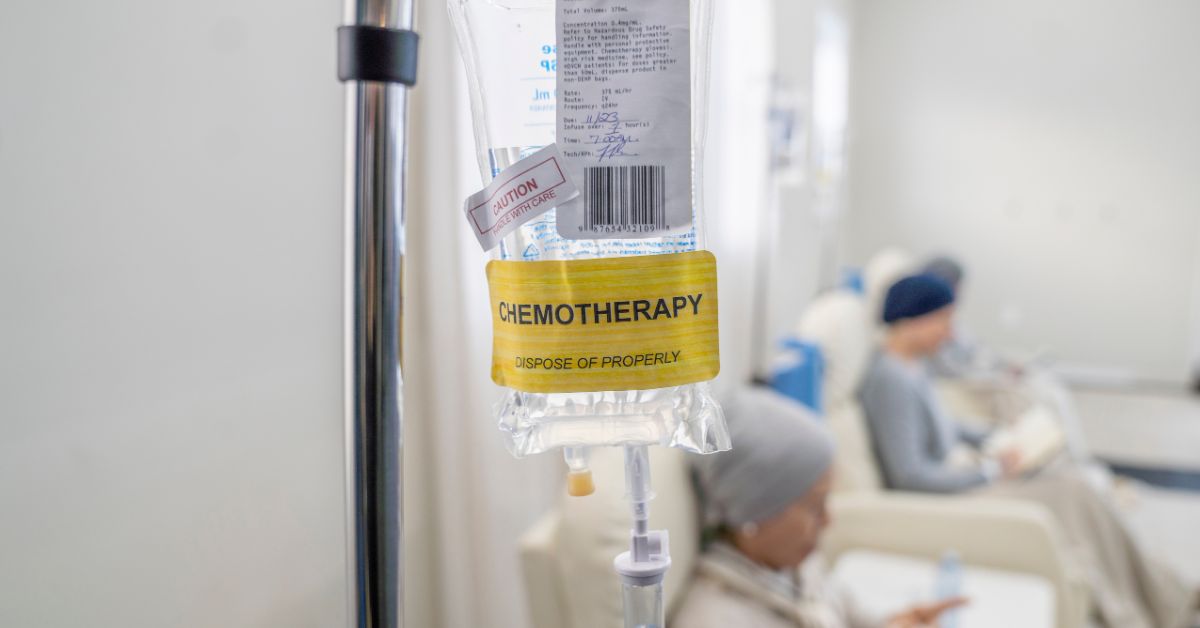
How to Handle Appetite Loss During Chemotherapy
The fact is there isn't one specific diet that is effective for every chemotherapy patient. Adapting meals to the patient's symptoms, preferences, dietary requirements, and treatment plan is the optimal strategy.
Consume Little Meals Often
Try eating five or six smaller meals or snacks throughout the day rather than just three big ones for eating comfort. When hunger is low, it may feel easier to eat little meals every few hours.
Hunger signals may be poor throughout therapy, so don't wait until you're hungry.
Prioritise Protein and Calories
Nutrient-dense foods can help patients get more nourishment from smaller servings when their food consumption is restricted.
Options could include:
- Foods high in protein, such as eggs, fish, poultry, and tofu.
- Cheese, yogurt, milk, or appropriate enriched substitutes.
- When tolerated, nut butters, avocados, and healthy oils.
- Smoothies made with fruit, pasteurized dairy products, and other appropriate ingredients.
- Oral nutritional supplements, if prescribed by a medical practitioner.
Stay Hydrated
Fatigue, nausea, constipation, and dizziness can result from dehydration. Take small sips often throughout the day if consuming large amounts at once makes you uncomfortable.
Hydration can be aided with milk, water, broths, and other acceptable liquids. In some situations, especially when there are substantial fluid losses, oral rehydration solutions could be suitable; nonetheless, seek medical guidance. So, chemotherapy and appetite loss, along with other symptoms, are nothing to overlook.
Adapt Your Meals to Your Symptoms
Make your dietary choices based on what you can have that day. Chilled foods might be better when odors are uncomfortable, bland foods might be easier during nausea, and soft foods might aid with mouth pain.
During chemotherapy, dietary preferences may vary, so be adaptable. A cuisine doesn't have to be forced just because it used to be delicious. And, be attentive to food safety requirements, such as refrigerating food properly, cooking it thoroughly, handling food safely, and avoiding unpasteurized products or other items that your oncology team advises against.
When Is It Time to Get Expert Help?
If appetite loss continues, food intake drastically decreases, or weight starts to drop without warning, consult your oncology team.
Get medical help right away if you encounter:
- Frequent vomiting or difficulty consuming fluids.
- Very little urination, black urine, lightheadedness, or other dehydration symptoms.
- Mouth sores that hurt and make it difficult to eat or drink
- Severe stomach ache or difficulty swallowing.
- Severe exhaustion, increasing weakness, or rapid or ongoing weight loss.
Final Words
Chemotherapy-induced appetite loss might complicate an already challenging health concern. In this case, eating may be difficult due to nausea, changes in taste, mouth pain, digestive issues, exhaustion, and changes brought on by cancer. Most importantly, speak with your oncology team or cancer doctor to address unintentional weight loss or persistent appetite loss.
FAQs
1. Is appetite loss common during chemotherapy?
A common side effect of chemotherapy may be appetite loss, which may result from nausea, altered taste, oral sores, exhaustion, digestive issues, or metabolic changes associated with cancer.
2. What is the duration of appetite loss after chemotherapy?
The length of time varies based on the medications used for chemotherapy, the treatment, the patient's reaction, and the underlying health. A medical evaluation is necessary for persistent symptoms.
3. What are the meals to eat during chemotherapy when your appetite is low?
Easy-to-tolerate foods high in calories and protein, such as yogurt, eggs, soft-cooked dishes, smoothies, and fortified soups, may be beneficial. If you are allergic to certain foods, kindly avoid eating them.
4. Can chemotherapy-related appetite loss cause weight loss?
It can. Unintentional weight loss and muscle loss can result from eating less than the body requires. Metabolic changes linked to cancer might also be involved.
5. When I don't feel like drinking, how can I stay hydrated?
Drink water or other drinks that you can tolerate on a regular basis. When advised, broths and appropriate oral rehydration solutions may also be beneficial. Do consult your medical care provider to understand what serves your health the best.