



This is one of the most widely used cancer therapies. It helps destroy cancer cells, slow their proliferation, or stop them from spreading to other areas of the body. Chemotherapy has been a highly effective treatment in this regard, but some level of side effects is present, as with almost every treatment.
Patients and their families can better prepare for treatment if they know about the side effects of chemotherapy. The type of chemotherapy, the dosage, and each patient's unique health contribute to how severe the symptoms can be.
A cancer doctor in Siliguri or any location provides support and advice beyond surgery and chemotherapy. Oncologists help with palliative support and further guidance. Here, this blog shares the most frequent side effects of chemotherapy, their causes, and easy strategies to properly control them; have a read to explore more.
Why Do Side Effects Occur Due to Chemotherapy?
Cancer doctors use chemo medications to target cancer cells that multiply/ proliferate quickly (out of control). But they can also impact rapidly proliferating healthy cells, like those found in the skin, bone marrow, digestive tract, and hair follicles.
Side effects arise when chemo drugs affect or target these healthy cells. While some side effects are temporary and go away after therapy, others could take longer to improve (heal over time).
Fatigue
Chemotherapy-related fatigue is very common, which differs from typical fatigue that we have in that it is not usually relieved by rest.
Patients could experience:
- Weak or worn out
- Low vitality
- Mentally exhausted
- Not able to do everyday activities/ tasks
How to Manage Fatigue
- During the day, try to take quick naps
- Keep your sleep regimen consistent
- Consume wholesome meals
- Make sure you get adequate water
- Take part in a little exercise, like walking
- When necessary, do ask for assistance with everyday tasks
Patients should see their doctor if they have extreme weariness and should not wait, as there could be a secondary reason.
Vomiting and Nausea
The meds used can cause irritation to the lining of the stomach and activate the vomiting area in the brain. Certain chemo medications have a higher potential for nausea than other meds.
Strategies That Can Help You
- Consume little meals all day long
- Do not eat any hot or oily food
- Slowly consume clear liquids
- Consume bland foods like rice, bread, or bananas
- Take anti-nausea drugs as directed
Do not stick to home remedies only if you have moderate to severe nausea and vomiting. Talk to your cancer doctor in Siliguri, or at the hospital where you have received treatment.
Hair Loss
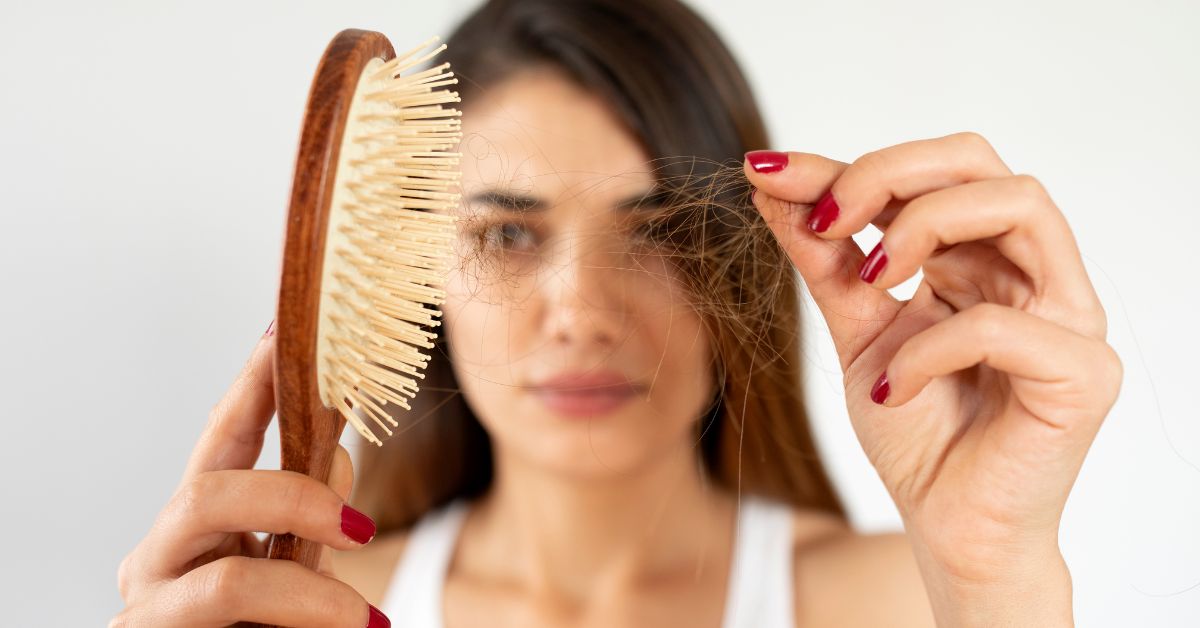
Alopecia, another name for hair loss, results from chemotherapy treatment among some patients. This is the side effect on hair follicle cells. Depending on the type of chemotherapy treatment, hair may thin out gradually or fall out entirely.
Hair loss may have an impact on:
- Hair on the scalp
- Eyebrows
- Lashes
- Hair on the body
Managing Hair Loss
- Use gentle shampoos
- Steer clear of overheating your hair
- Put on cozy scarves or caps
- If desired, think about wearing wigs
- Protect the scalp from the sun
After chemotherapy treatment is finished, hair often starts to grow again in most cases, but hair texture or color may temporarily change.
Poor Appetite
During chemotherapy, many people report feeling less hungry and more tired. Thus, eating may be painful due to nausea or mouth sores, and food may taste odd.
Strategies That Can Help You
- Consume smaller meals more frequently
- Select snacks that are high in protein
- Include nutritious calories in your meals
- If scents make you sick, try eating cold food
- When you can, continue to be physically active
Maintaining your strength during cancer therapy very much depends on your nutrition.
Mouth Sores and Dry Mouth
This treatment may cause discomfort, ulcers, or dryness in the mouth and throat lining, and among the symptoms are:
- Discomfort when swallowing or eating
- Gums that are red or swollen
- White areas in the mouth
- Discomfort and dryness
Tips for Oral Care
- You should use a soft toothbrush to gently brush your teeth
- Keep yourself from mouthwash with alcohol
- Drink an adequate amount of water
- Avoid hot or acidic foods
- Use the recommended mouthwash or ice chips
You need to maintain good dental hygiene can lessen discomfort and help avoid infections.
Changes in Blood Cell Counts
Chemotherapy can be responsible for causing the bone marrow to produce fewer blood cells.
Anemia, or low red blood cells. Anemia could result in:
- Lightheadedness
- Breathlessness
- Weakness
- Pale complexion
Reduced white blood cell count. The risk of infection is high if there is a low white blood cell count, and infection symptoms include:
- A fever
- Chills
- A sore throat
- Cough
Low Platelets. Low platelet levels may cause multiple symptoms, such as:
- Simple bruising
- Gum bleeding
- Bleeding in the nose
How to Take Care
- Timely was your hand
- When your immunity is low, stay away from crowded areas
- Report a fever right away
- Notice the timings for blood tests
- Get a doctor’s help/ advice
To aid your healing of blood cells, doctors may propose dietary modifications or prescribe meds.
Constipation and Diarrhea
Chemotherapy may cause digestive problems, one of its common side effects.
Constipation
Dehydration, medicine, and decreased activity can cause constipation.
Tips for Relief
- Increase your fluid intake
- Have foods high in fiber
- Continue being active
- If advised, use stool softeners
Diarrhea
Some medications used in chemotherapy can irritate your intestines and result in diarrhea.
Some Tips
- Make sure you avoid greasy foods
- Have simple items like bread and rice
- Drink plenty of water
- Notify the medical staff if the diarrhea is too bad
Dehydration and weakness might result from ignoring severe diarrhea.
Skin & Nail Changes
Chemotherapy can have a variety of effects on the skin and nails; read on to know more.
Typical Skin Issues
- Dryness
- Itching
- Sunlight sensitivity
- Skin darkening
Changes in the Nails
Patients could observe:
- Brittle nails
- Discoloration of the nails
- Slow development of nails
Taking Care of Your Skin During Chemotherapy
- Use moisturizers without fragrances
- Use sunscreen every day
- Put on safety gear when you're outside
- Keep your nails neat and clipped
Yes, you can avoid infection and soothe discomfort with proper skin care; get medical advice.
Neuropathy
Peripheral neuropathy can result from some chemotherapy medications responsible for damaging nerves.
Among the symptoms are:
- Hand and foot tingling
- The feeling of burning
- numbness
- Having trouble balancing
Handling Neuropathy
- Put on cozy shoes
- Avoid severely hot or cold weather
- When walking, use the handrails
- Notify the physician if your symptoms get worse
Patients can avoid long-term nerve injury with early intervention.
Mental and Emotional Health
Emotional and mental health are equally impacted by cancer treatment, and chemotherapy might cause anxiety, worries, and mood fluctuations.
Possible Emotional Symptoms
- Fear of the results of treatment
- Anxiety and depression
- Anger
- Having trouble focusing
Support for Mental Health
- Communicate honestly with your loved ones and reliable friends
- Participate in cancer support groups
- Use relaxing methods
If necessary, you must seek professional help, such as talking to a psychiatrist or general physician, which can be of great help.
Sleep Issues
Many chemotherapy patients have trouble sleeping, and this is because of stress, pain, medications, or fatigue.
Tips for Improved Sleep
- Keep your bedtime consistent
- Reduce your consumption of caffeine
- Avoid screens before you go to bed
- Engage in relaxing techniques
These tips can help improve your energy and emotional health, boosting sleep quality. But if you notice sleep issues are still there, consult your general physician or oncologist.
Fertility and Sexual Health Issues
Medications used in this treatment might affect your hormone levels and fertility.
Potential Problems
- Irregular menstrual periods
- decreased number of sperm
- Early menopause
- Changes in the desire for sex
Before you begin treatment, you may talk to your oncologist about fertility and pregnancy and treatment options.
Final Words
People often worry about the side effects, but if you observe well, there’s hardly any medical care without side effects. For problems, there are solutions, ranging from lifestyle changes to further medical support. With the right medical attention, good habits, and emotional support, you can overcome many side effects of chemotherapy.
Get expert advice and solutions from one of the top oncologists in Siliguri City, Dr. Manish Goswami.
