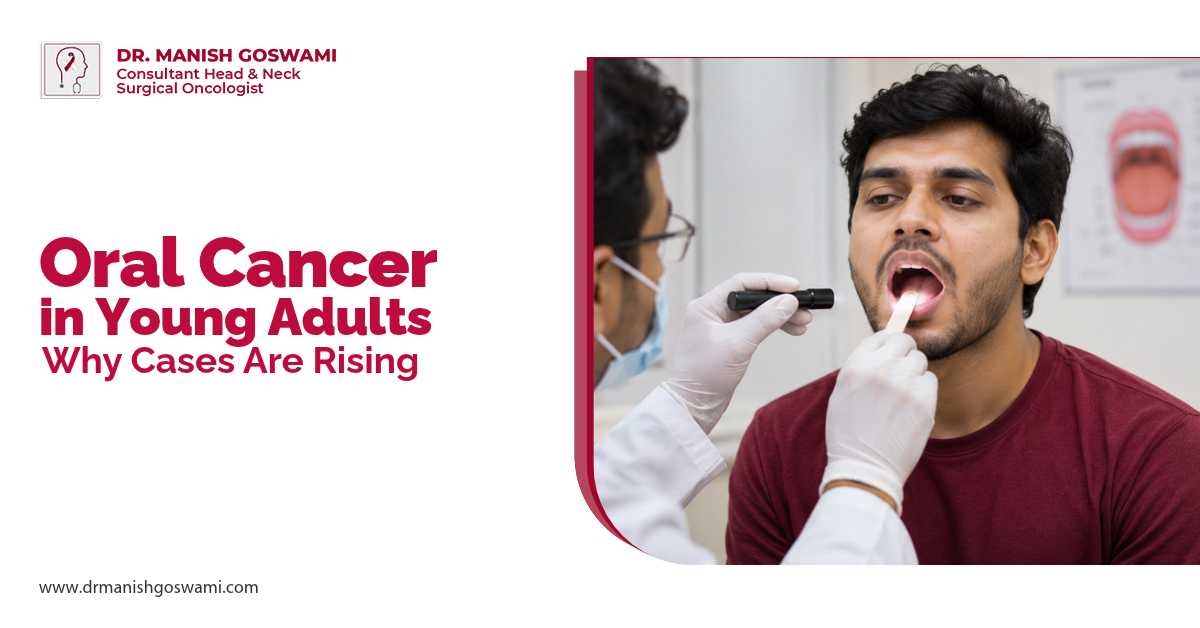



Oral cancer, which has traditionally been linked to elderly people, is becoming common among younger demographics. Important questions concerning changes in lifestyle patterns, exposure to the environment, and other potential contributory factors have been raised by this.
Oral cancer can strike young adults who have never smoked or drank alcohol, yet age is still a significant factor. The risk may be increased by alcohol exposure, areca nut use, tobacco use, some viral illnesses, and other factors. Nevertheless, not all instances have a known etiology, and a rise in oral cancer in young adults does not always indicate that incidence is increasing uniformly in all communities.
Is There a Growing Rate of Oral Cancer in Young People?
In the past, older people have been more likely to get oral cancer, especially those who had been exposed to alcohol and tobacco for a long time. However, studies have found a prevalence of oral cavity squamous cell carcinoma in younger people, who are often described as those under 40–44 years of age.
Several studies emphasized the substantial impact of alcohol intake, tobacco use, and chewing betel quid, especially among Asian communities.
Why Do Younger Adults Get Oral Cancer Cases?
Oral cancer in young adults cannot be explained by a single factor. Lifestyle choices, exposure to the environment, biological variables, and disparities in access to healthcare could have a role.
1- Early Tobacco Product Exposure
An avoidable risk factor for oral cancer in young adults is still tobacco use. Due to peer pressure, curiosity, or social forces, some young adults start smoking throughout their adolescence. The cells lining the mouth can be harmed by repeated exposure to tobacco's harmful compounds.
Common tobacco use includes:
- Beedis and cigarettes.
- Khaini and Gutka.
- Paan that contains tobacco.
- Chewing tobacco.
- Other preparations for smokeless tobacco.
It may stay in direct contact with the oral tissues for long periods of time.
2- Areca Nut and Betel Quid Consumption
Another risk factor is areca nut, also referred to as supari. It is frequently consumed as a component of packaged mouth fresheners, paan, and other commercially accessible preparations.
Even in the absence of tobacco, areca nuts are carcinogenic. Oral submucous fibrosis, a potentially cancerous condition in which the tissues inside the mouth gradually stiffen, can result from areca nut and betel quid intake. Burning feelings, poor mouth opening, and trouble eating may be possible.
Young consumers may underestimate the health risks associated with supari and related products due to their broad social acceptance.
3- Alcohol Use and Associated Lifestyle Risks
Another known risk factor for mouth cancer is alcohol use; heavy and frequent alcohol use can raise the likelihood of cancer. When alcohol and tobacco use are coupled, the risk may be doubled.
Together, these exposures may raise the risk of cellular damage. Early adulthood is a time when social drinking, smoking, and other lifestyle choices may be formed.
4- Human Papillomavirus (HPV) Infection
A class of viruses known as human papillomavirus can infect mucous membranes and the skin. Oropharyngeal malignancies or cancers, especially those affecting the tonsils and base of the tongue, are closely linked to some high-risk HPV strains.
It is important to distinguish between traditional oral cavity cancer and HPV-related oropharyngeal cancer. They have different risk factor patterns and involve various anatomical locations.
5- Biological and Genetic Factors
Researchers are looking into individual biological susceptibility, molecular variations, and genetic changes that could lead to the development of cancer in younger people.
There may be instances where there are no obvious lifestyle-related risk factors. Nonetheless, studies on the molecular causes of oral cancer in younger people are still in progress. Before precise genetic explanations can be established for individual cases, more evidence is required.
Key Risk Factors for Oral Cancer in Young Adults
The following elements merit consideration:
- Tobacco use: Both smoking and smokeless tobacco expose oral tissues to chemicals that cause oral cancer.
- Consumption of areca nuts: Even in the absence of tobacco, supari and betel quid can raise the risk of mouth cancer in some people.
- Alcohol consumption: Frequent heavy drinking raises the risk.
- HPV infection: Oropharyngeal carcinoma is linked to some high-risk HPV strains.
- Poor nutritional habits: Consuming insufficient amounts of fruits and vegetables may raise the risk of cancer.
- Weakened immunity: Immunosuppressive diseases and therapies may make a person more vulnerable.
- Long-term UV exposure: Excessive sun exposure raises the risk of developing lip cancer.
What are the Oral Cancer Warning Signs?
The fact that early signs of oral cancer can mimic typical oral health issues. There are a number of possible causes for a mouth ulcer, inflammation, or white spot. Persistent or unexplained changes, however, shouldn't be ignored or skipped.
Signs can be:
1- An Ongoing Mouth Ulcer
A medical evaluation is necessary if a sore or ulcer does not heal, especially if it lasts longer than 2 weeks.
2- Red or White Patches
Within the mouth, white patches (leukoplakia) or red patches (erythroplakia) may indicate possibly cancerous conditions.
3- Unexplained Bleeding or Pain
A medical examination is necessary if there is bleeding, soreness, or ongoing oral pain without a clear explanation.
4- Having Trouble Opening Your Mouth
Oral submucous fibrosis and other oral health concerns that need to be evaluated may be linked to progressive restriction in mouth opening.
5- Difficulty Chewing or Swallowing
It is important to treat persistent discomfort or trouble swallowing, chewing, or moving the tongue.
6- A thickening or lump
Medical treatment is necessary if there is an unexplained lump, thickened region, or swelling inside the mouth or neck.
7- Chronic Numbness
An underlying issue may be indicated by unusual numbness or poor feeling in the lips, tongue, or other areas of the mouth.
A dentist, oral medicine doctor, oral and maxillofacial surgeon, or ENT specialist can evaluate the underlying reason and suggest more testing if required.
How Can Young Adults Lower Their Oral Cancer Risk?
Certain lifestyle modifications can lower exposure to known risk factors, even though not all cases of mouth cancer can be prevented.
Here are a few crucial precautions to take:
- Avoid tobacco products: Give up smoking and stay away from gutka, khaini, tobacco-containing paan, and other smokeless tobacco products.
- Quit eating areca nut: Avoid betel quid and supari, including tobacco-free preparations.
- Limit alcohol exposure: Avoid or cut back on alcohol, and it is especially dangerous to combine alcohol and tobacco.
- Keep your diet balanced: Have fruits, vegetables, and wholesome foods in your everyday meals.
- Maintain proper oral hygiene: Get regular dental care and consult a dentist if you have ongoing oral health issues.
- Consider HPV vaccination: Certain HPV types linked to cancer can be prevented by HPV vaccination. Consult a doctor about immunization recommendations and age eligibility.
- Schedule regular dental check-ups: It is possible to spot abnormal changes in the oral cavity during routine dental appointments.
When Is It Time to See a Doctor?
Seek expert advice before experiencing discomfort or severe symptoms; see a cancer specialist or other healthcare provider if you notice:
- An oral ulcer that takes longer than 2 weeks to heal.
- Red or white blotches that are persistent.
- Lumps or thickening inside the mouth are not explained.
- You have trouble opening your mouth.
- Prolonged bleeding, numbness, or pain.
- Changes in swallowing or tongue movement that are not explained.
People who have previously used tobacco products or consumed areca nuts should be attentive to any changes in their dental health.
Depending on the clinical results, the medical practitioner may suggest a specialist consultation, biopsy, or other studies if a suspicious lesion is found.
Final Words
Young adult oral cancer is a public health concern that needs more attention. Alcohol intake, areca nut use, early tobacco exposure, and changing lifestyle choices can be major risk factors. Although they reflect different aspects of cancer risk, biological susceptibility and HPV-related oropharyngeal malignancies both require consideration.
FAQs
1. Does oral cancer really affect young adults?
Oral cancer can sometimes strike younger people.
2. What is the main risk factor for oral cancer in India?
A major risk factor is tobacco use, including smokeless tobacco.
3. Can oral cancer be caused by supari?
Even in the absence of tobacco, areca nuts are carcinogenic.
4. What is the first sign that you have oral cancer?
An early sign could be an uncommon oral lesion, an unexplained red or white patch, or a persistent mouth ulcer.
5. Is it possible to avoid mouth cancer?
Avoiding the risks associated with alcohol, tobacco, and areca nuts may help prevent many cases.